GOVERNMENT PROMOTES ELECTRIC MOBILITY AS UGANDA ATTRACTS GREEN INVESTMENT
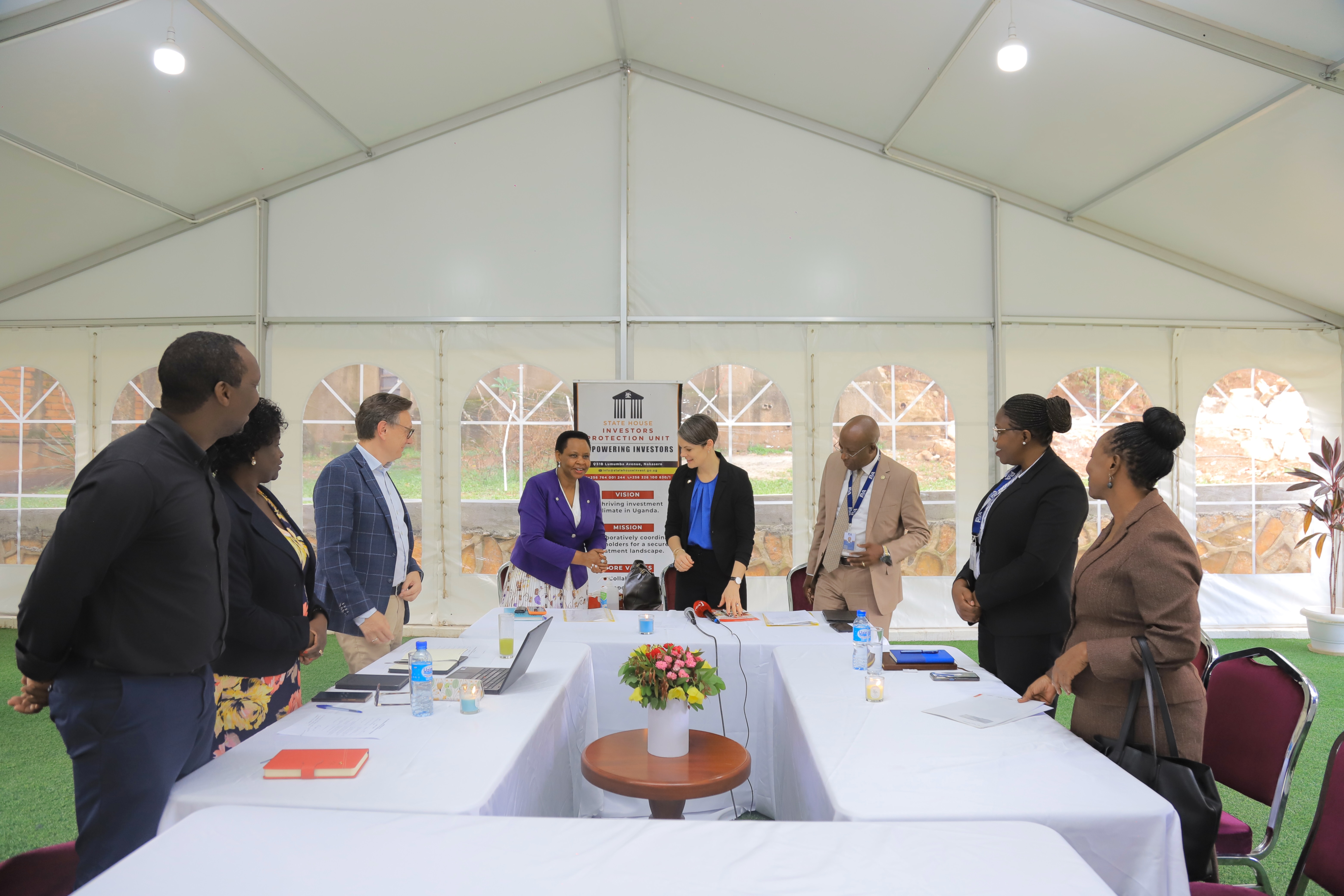
KAMPALA – The Ugandan government has intensified its push for electric vehicles (EVs), positioning the transition not only as an economic and environmental priority but also as a key step toward improving public health.
Speaking during a high-level meeting at the State House Investors Protection Unit (SHIPU), Col. Edith Nakalema emphasized that reducing reliance on petrol and diesel-powered vehicles could significantly lower the health risks associated with air pollution.
Nakalema warned that emissions from fossil fuel-powered transport are increasingly linked to serious illnesses, including respiratory diseases and cancers, particularly in urban areas.
“Electric mobility is not just about transport or business, it is about the health of our people. Reducing air pollution will go a long way in preventing diseases associated with emissions from petrol and diesel,” she said.
She added that Uganda’s transition to cleaner transport does not contradict its oil ambitions, noting that the country is positioning itself to benefit from oil through exports.
“As we promote electric vehicles locally, Uganda will focus on exporting and selling its oil on the international market, ensuring economic benefit while protecting public health,” Nakalema explained.
The meeting, held on April 9, also revealed that ten Danish companies are expected to enter the Ugandan market later this month, signaling growing investor confidence.
The companies are expected under the Danish Agriculture and Food Council, with interests in agriculture, manufacturing, and green technology.
The engagement brought together government officials and private sector players, including the Ambassador of Denmark to Uganda, Signe Winding Albjerg, Florence Makada of Motorcare, Benson Turamye, the Executive Director of the Public Procurement and Disposal of Public Assets Authority, Winston Katushabe, Commissioner for Transport Regulation and Safety at the Ministry of Works and Transport, and other officials.
In her remarks, Signe Winding Albjerg welcomed the continued engagement with Ugandan authorities, noting that what began as a courtesy visit has evolved into a productive partnership.
She expressed appreciation for the support extended to Danish businesses, emphasizing that Uganda remains an attractive destination for investment.
The ambassador also highlighted Denmark’s commitment to strengthening its commercial presence in Uganda, pointing to a growing pipeline of companies entering the market.
She noted that some Danish firms have already established operations, including investments in value addition and industrial production, and more are expected to follow.
Nakalema reaffirmed government’s commitment to creating a supportive environment for investors, noting that Uganda’s development agenda aligns with Denmark’s focus on green and inclusive growth.
Meanwhile, Makada highlighted challenges faced by Motorcare Uganda, including limited access to government procurement and competition from unregulated suppliers.
She noted that government is a major buyer of vehicles, but restricted procurement systems have made it difficult for compliant companies to fully participate.
Despite this, Makada reaffirmed Motorcare’s long-term commitment to Uganda, citing continued investment and confidence in the country’s future.
On procurement concerns raised by investors, Turamye clarified that government contracting follows structured procedures, including due diligence and pre-qualification of suppliers.
He encouraged companies to engage through formal channels and present their proposals through recognized platforms to improve their chances of participation in government procurement opportunities.